
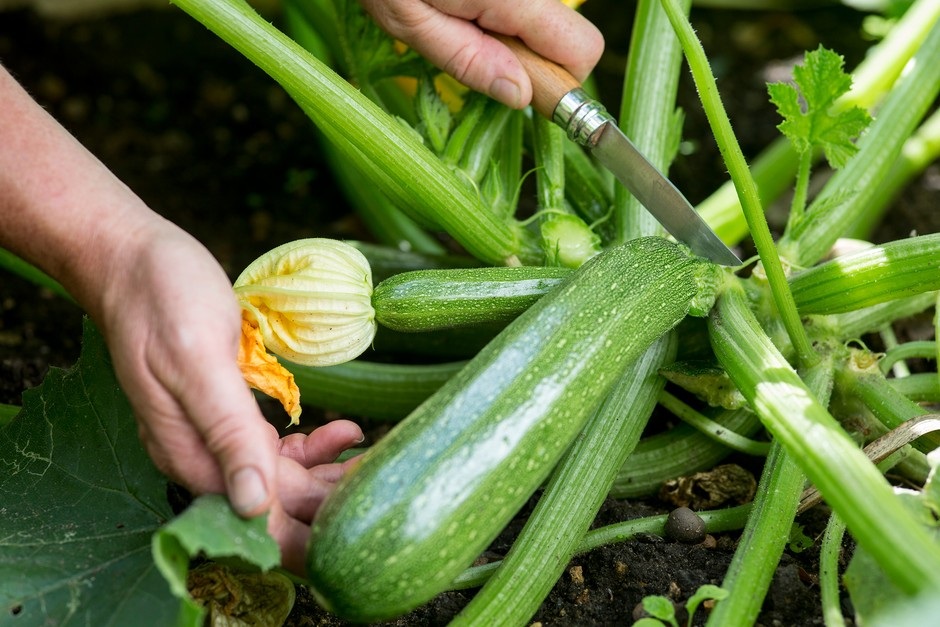
Starting a veggie garden at home is not only intrinsically rewarding, but it has loads of perks. You can save money on groceries and enjoy fresh, organic vegetables without any nasty pollutants in them.
Growing your own food is also a great way to take care of your health, with all the exercise you get and all those nutritious veggies you eat. If you’re just starting out, this guide will show you how growing easy plants like lettuce, radishes, and herbs can be simple and easy.
Let’s begin!
Which Are Best Plants for Beginners
Starting your home gardening journey with easy veggies is going to give you a boost of confidence and can be the foundation behind a lifelong habit.
Greens like lettuce, radishes, and various herbs are the perfect picks for beginners since they’re simple, easy to take care of and universally beloved.
Lettuce: A Cool-Weather Staple
This plant loves cooler weather, so you can plant it at different times and always have fresh leaves. It doesn’t need much room and grows well in small gardens or even on balconies since it doesn’t need deep soil.
Radishes: Quick and Rewarding
If you want fast results, radishes are your best bet. They’re ready in just three to four weeks and add a spicy kick to your food. Plus, they’re really low-maintenance.
Herbs: Versatile and Space-Saving
Greens like basil, parsley, and mint are tough and great for small spaces, like a windowsill. They not only make your food taste better but also help keep pests away, which is awesome for organic gardening.
Starting with these plants not only boosts your gardening skills but also sets you up for bigger gardening adventures down the road.
Select the Right Gardening Containers
They come in all shapes and sizes, and they suit different veggies.
For leafy greens like lettuce, a shallow container, around 6-8 inches deep, works well because it gives roots enough space to spread. However, if you’re growing root veggies like radishes, go for a deeper one, like 10-12 inches.
Materials matter too. Terracotta is great because it lets air in and keeps moisture balanced, while plastic is light and easy to move around. Make sure your pots have holes at the bottom so water can drain out, which stops nasty root rot.
You can also toss in some gravel or small stones at the bottom to help with drainage. If you need to move your plants around to catch the best sunlight, consider pots with wheels or handles. This is rather handy for city dwellers or anyone with a small garden space.
Why Quality Soil and Compost Matter a Great Deal
If you want your veggie plants to do well, you’ve gotta start with these two things. Think of it like giving them the best start for their growth. You want soil that’s dark and crumbly, full of the right ingredients plants love.
You can grab some pre-mixed soil from garden centres, or check out local farms for fresh compost. If you fancy doing it yourself, make a little compost pile at home. It’s a great way to turn kitchen scraps and yard waste into something your garden will thank you for.
Start with a small bin and toss in things like veggie peels, coffee grounds, and dry leaves. Give it a good mix every now and then to help it break down faster. Making your own compost saves you money, cuts down on waste, and makes your soil richer and healthier.
Whether you buy it or DIY, having nutrient-rich soil is key to a thriving veggie garden.
Optimal Sunlight Placement
Sunshine is also rather important if you want your veggies to grow big and healthy. That’s why you’ve got to make sure your plants get enough light to really help them thrive.
If you’ve got a garden outside, set it up facing south so it catches loads of sun. Try to get them six to eight hours of sunlight each day, with a focus on the morning sun to dry off the dew and keep diseases away.
Put taller plants on the north side so they don’t block the sun from the shorter ones. That way, all your plants get the light they need. If you’ve got to grow your veggies indoors, consider getting grow lights as a suitable replacement.
Efficient Watering Techniques
Keeping your veggie garden in great shape means giving it just the right amount of water, as overdoing it can have very bad consequences.
You could go for the traditional method of delivering sufficient liquid yourself with a watering can. Or you could try fancy things like drip irrigation or smart watering systems, although it’s best to leave those for later, when you’ve gathered enough gardening experience and tend big gardens.
Getting your watering timing right can be a game-changer for your veggie patch. Early morning or late afternoon are the best times, as the water goes further to the roots and doesn’t vanish into thin air.
Aim to give your garden about an inch of water each week, but keep an eye on the skies and your plants. A quick finger test in the soil can help you determine things—if it feels dry, it’s time for a drink, if it’s soggy, hold off.
You don’t want your plants’ roots to turn into a soggy mess, or worse, end up with root rot.
Organic Pest Control Methods
Tending a garden means fighting off various pests as well. And, since you want good, clean veggies, it’s best to do so organically.
One efficient way to do this is through companion planting. It’s like teaming up certain plants to keep pests away. For example, planting marigolds with tomatoes can help repel nematodes. And if you plant basil with peppers, it’ll keep flies and mosquitoes at a distance.
These plant combos not only fend off pests but will also help your garden thrive.
Conclusion
So, that’s how to grow vegetables at home!
As you can see, when you pick easy-to-grow plants, you set yourself up for success. These early wins are important because you likely want to turn your gardening interest into a lifelong hobby. Follow these tips, and you might ensure just that.
The important thing is to enjoy yourself while taking care of your plants. They’ll reward you with delicious results, and you’ll have learned a valuable life skill–growing your own vegetables. Plus, you can always dazzle your guests with something from your garden.
Good luck and happy gardening!
