
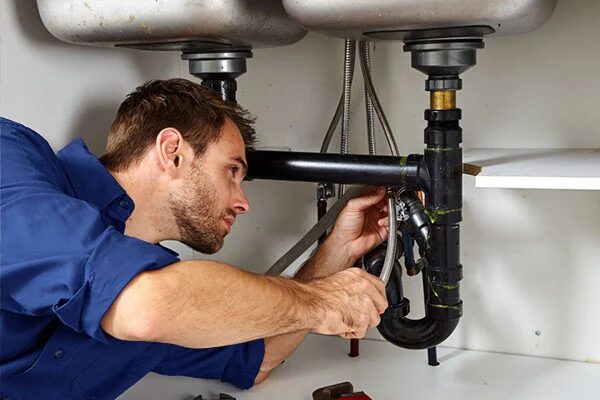
Pursuing a plumber license in Texas is an excellent career move for individuals seeking stable employment, competitive wages, and long-term growth in the skilled trades. As the state’s population continues to expand and new residential, commercial, and industrial developments increase, the demand for qualified plumbers remains strong. Becoming a licensed plumber requires a combination of classroom education, hands-on training, apprenticeship experience, and passing the required state licensing examinations.
This comprehensive guide explains everything you need to know about plumbing schools in Texas, licensing requirements, apprenticeship opportunities, career prospects, and how to prepare for success in the plumbing industry.
Why Plumbing Is a Growing Career in Texas
Plumbing continues to be one of the fastest-growing skilled trades in Texas due to rapid population growth, ongoing infrastructure improvements, and a thriving construction industry. As more homes, businesses, schools, and commercial facilities are built across the state, the need for qualified plumbing professionals continues to rise.
According to employment projections from the U.S. Bureau of Labor Statistics, plumbing careers are expected to experience steady growth nationwide, with Texas offering particularly strong employment opportunities because of its expanding economy and continuous construction activity.
High Demand for Skilled Labor
Major metropolitan areas throughout Texas continue to experience significant residential and commercial development, creating a consistent demand for licensed plumbing professionals. Many employers report shortages of skilled tradespeople, making plumbing an attractive career choice for individuals seeking long-term job security.
Because plumbing services are essential for homes, businesses, healthcare facilities, and industrial buildings, licensed plumbers benefit from a career that remains in demand regardless of changing economic conditions.
Training programs that combine classroom instruction with practical experience provide an efficient pathway into this growing profession.
Lucrative Salaries and Career Growth
Plumbing offers competitive earning potential along with numerous opportunities for career advancement.
Licensed plumbers in Texas often earn strong annual salaries, with experienced professionals and those holding advanced licenses typically earning substantially more. As plumbers gain experience, many advance into supervisory positions, specialize in technical areas, become licensed plumbing contractors, or establish their own businesses.
The combination of stable employment, increasing demand, and entrepreneurial opportunities makes plumbing an attractive long-term career.
Understanding Plumbing Licensing Requirements in Texas
Individuals who wish to work as plumbers in Texas must satisfy the licensing requirements established by the appropriate state licensing authority. The licensing process involves progressing through multiple stages, each requiring additional work experience, training, and successful completion of licensing examinations.
Each license level allows plumbers to perform increasingly complex work while expanding their professional responsibilities.
Types of Plumbing Licenses in Texas
The first step toward becoming a licensed plumber is registering as a plumbing apprentice. Apprentices receive supervised on-the-job training while learning the trade under the guidance of licensed plumbing professionals. During this stage, apprentices are not permitted to perform plumbing work independently.
After completing approximately 4,000 hours of qualifying work experience, apprentices may become eligible to apply for a Tradesman Plumber-Limited License, allowing them to perform certain residential plumbing work under the conditions established by state regulations.
After accumulating approximately 8,000 hours of supervised experience, individuals may qualify for a Journeyman Plumber License. This license generally allows plumbers to perform residential and commercial plumbing work with greater independence.
Plumbers seeking additional responsibility may eventually pursue a Master Plumber License after meeting the required experience qualifications and successfully passing a more comprehensive licensing examination. Master plumbers are typically authorized to supervise other plumbers and manage larger plumbing projects.
Those interested in regulatory or government roles may also pursue a Plumbing Inspector License, which generally requires additional experience and examination requirements.
Top Plumbing Schools in Texas: An Overview
Texas offers numerous plumbing education programs designed to prepare students for successful careers in the plumbing industry. These programs combine classroom instruction with practical laboratory training to help students develop the technical knowledge required for licensing and employment.
Many plumbing schools teach subjects such as plumbing codes, blueprint interpretation, pipe installation, safety procedures, drainage systems, water distribution systems, and plumbing mathematics. Some programs also assist students in finding apprenticeship opportunities after graduation.
Choosing a quality plumbing training program provides a strong educational foundation while helping students prepare for state licensing requirements.
The Role of Apprenticeships in Becoming a Licensed Plumber
Apprenticeships play an essential role in plumbing education because much of the profession is learned through practical experience rather than classroom instruction alone.
During an apprenticeship, aspiring plumbers work under the supervision of experienced licensed professionals while gaining hands-on experience installing, repairing, and maintaining plumbing systems. Apprentices also continue learning technical concepts that complement their classroom education.
This combination of supervised work experience and formal instruction helps prepare apprentices for higher licensing levels while developing valuable real-world skills.
How to Apply for a Texas Plumber Apprenticeship
Individuals interested in beginning a plumbing apprenticeship must first complete the required apprentice registration process with the appropriate licensing authority.
After registration, applicants may pursue apprenticeship opportunities through trade schools, labor organizations, contractors, or private employers offering structured training programs. Depending on the license being pursued and the pace of accumulated work experience, apprenticeships generally require several years to complete.
Selecting a reputable apprenticeship program provides valuable training while helping apprentices satisfy the work-hour requirements for future licensing.
Benefits of Apprenticeships
One of the greatest advantages of a plumbing apprenticeship is the opportunity to earn an income while learning a skilled trade.
Apprentices receive practical, real-world experience working alongside experienced professionals while developing technical skills that cannot be fully learned in a classroom environment.
Completing an apprenticeship also helps satisfy the work experience requirements necessary for obtaining higher-level plumbing licenses, making it one of the most important steps toward becoming a fully licensed plumber.
Preparing for the Texas Plumbing Licensing Exam
After completing the required education and work experience, aspiring plumbers must successfully pass the state licensing examination.
The licensing exam evaluates knowledge of plumbing codes, safety regulations, blueprint interpretation, plumbing systems, installation practices, and other technical subjects relevant to professional plumbing work.
Adequate preparation is essential for successfully earning a plumbing license and advancing to the next stage of a plumbing career.
Study Resources and Exam Preparation
Many plumbing education programs offer licensing exam preparation courses that review important topics likely to appear on the examination.
Students may also benefit from independent study materials, including practice examinations, plumbing code references, instructional guides, and technical manuals that reinforce concepts learned during classroom instruction and apprenticeships.
Consistent study and practical experience provide the strongest foundation for passing the licensing examination successfully.
Career Opportunities for Licensed Plumbers in Texas
After earning a plumbing license, professionals have access to a wide variety of employment opportunities throughout Texas.
The state’s growing construction industry continues to create demand for plumbers in residential housing developments, commercial construction projects, industrial facilities, educational institutions, healthcare buildings, and public infrastructure projects.
Licensed plumbers may choose to work for established plumbing companies, construction contractors, maintenance departments, government agencies, or operate independent plumbing businesses.
Working as a Residential Plumber
Residential plumbers focus primarily on installing, repairing, maintaining, and upgrading plumbing systems within homes, apartments, and residential developments.
These professionals regularly work with homeowners to address plumbing repairs, remodeling projects, fixture installations, water heater replacements, and new home construction.
Residential plumbing offers rewarding opportunities for individuals who enjoy direct customer interaction and solving practical problems.
Commercial Plumbing Jobs
Commercial plumbers work on larger and often more complex plumbing systems found in office buildings, schools, hospitals, retail centers, manufacturing facilities, and industrial properties.
These projects frequently involve advanced plumbing designs, larger water distribution systems, specialized equipment, and strict building code compliance. Because of the increased complexity, commercial plumbing positions often provide higher earning potential and additional opportunities for career advancement.
Specializations in the Plumbing Industry
As plumbers gain experience, many choose to specialize in particular areas of the profession.
Specialized fields may include gas line installation, pipefitting, fire sprinkler systems, wastewater treatment systems, medical gas systems, green plumbing technologies, or water conservation solutions.
Additional certifications and specialized training often increase earning potential while expanding available career opportunities.
The Future of Plumbing Education and Licensing in Texas
The future of the plumbing profession in Texas remains extremely promising as continued population growth drives demand for new construction and infrastructure improvements.
Plumbing education programs continue evolving by offering more flexible learning formats, accelerated training options, and modern instructional technologies that help prepare students for today’s workforce.
These innovations make plumbing education increasingly accessible while supporting the growing need for licensed professionals across the state.
Technological Advancements
The plumbing industry continues to adopt new technologies that improve efficiency, sustainability, and system performance.
Modern plumbing professionals increasingly work with smart water management systems, energy-efficient fixtures, environmentally responsible plumbing materials, leak detection technologies, and advanced diagnostic equipment.
Many plumbing training programs now incorporate these emerging technologies into their curricula, helping graduates develop the skills needed to succeed in an evolving industry.
Pursuing a plumber license in Texas offers an excellent opportunity to build a rewarding career in one of the state’s most essential skilled trades. By attending a quality plumbing school, completing a structured apprenticeship, gaining the required work experience, and successfully passing the state licensing examination, aspiring plumbers can position themselves for long-term success. As demand for skilled plumbing professionals continues to grow, licensed plumbers will remain an indispensable part of Texas’s expanding economy and construction industry.
