
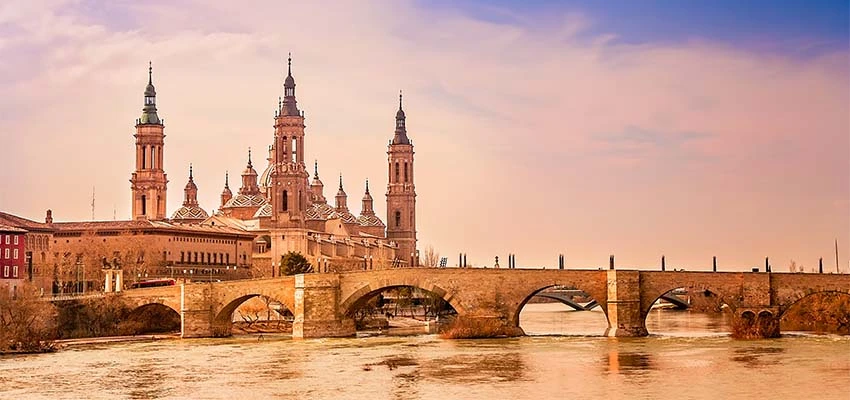
Travel planning becomes truly meaningful when every detail is carefully designed to match personal interests, and that is exactly what makes Spain Itineraries (circuitos por España) so valuable for modern travelers. Instead of rushing through destinations, tailored itineraries allow visitors to explore Spain at their own pace while experiencing its rich culture, historic landmarks, scenic landscapes, and vibrant cities in a structured yet flexible way. From the artistic streets of Barcelona to the royal elegance of Madrid and the sun-drenched charm of Andalusia, a well-planned itinerary transforms a simple trip into an unforgettable journey filled with discovery and comfort.
Why choose Spain Itineraries for your travel planning?
Choosing a personalized itinerary ensures that every moment of your trip is optimized for enjoyment and exploration. Spain is a diverse country with multiple regions, each offering unique experiences, and without proper planning, travelers may miss important highlights. Tailored itineraries solve this challenge by organizing destinations based on travel preferences, time availability, and interests. Whether you prefer history, food, architecture, beaches, or adventure, a customized plan ensures a balanced and fulfilling experience. It also reduces travel stress by arranging transportation routes, accommodation options, and sightseeing schedules in advance.
What makes Spain such a diverse travel destination?
Spain is one of Europe’s most culturally and geographically diverse countries, making it ideal for itinerary-based travel. The northern regions offer lush green landscapes and coastal charm, while central Spain is rich in historical cities and royal heritage. Southern Spain, especially Andalusia, is famous for its Moorish architecture, flamenco culture, and warm climate. Meanwhile, eastern coastal areas like Valencia and Catalonia provide a mix of modern attractions and beachside relaxation. This diversity allows travelers to combine multiple experiences within a single itinerary, creating a dynamic and memorable journey.
Which cities should be included in Spain Itineraries?
A well-designed Spain itinerary often includes a combination of major cities and regional highlights. Madrid, the capital, is known for its royal palace, world-class museums, and lively urban atmosphere. Barcelona is a must-visit destination for its unique architecture, especially the works of Antoni Gaudí. Seville offers deep cultural immersion with flamenco shows and historic landmarks, while Granada captivates visitors with the breathtaking Alhambra palace. Valencia combines modern architecture with traditional Spanish charm, and Bilbao showcases a thriving art and culinary scene. Including a mix of these cities ensures a well-rounded travel experience.
How do tailored Spain Itineraries improve travel experiences?
Tailored itineraries provide structure while still allowing flexibility, making travel smoother and more enjoyable. Instead of spending time deciding what to do each day, travelers can follow a thoughtfully planned schedule that maximizes sightseeing opportunities. These itineraries also help avoid overcrowded tourist spots by suggesting optimal visiting times. Additionally, they ensure that travel distances between destinations are manageable, reducing fatigue and saving time. With expert planning, travelers can enjoy both popular attractions and hidden gems without feeling rushed or overwhelmed.
What cultural experiences can be included in Spain Itineraries?
Spain is deeply rooted in cultural traditions, and a well-planned itinerary ensures that travelers experience them authentically. Flamenco performances in Seville provide a powerful glimpse into Spanish artistic expression. Local festivals such as La Feria de Abril or La Tomatina bring color and excitement to any trip. Food experiences are also essential, with tapas tours, wine tastings, and traditional Spanish cooking classes offering insight into local cuisine. Visiting historic neighborhoods and interacting with locals further enriches the cultural journey, making the itinerary more immersive and meaningful.
How to structure a perfect Spain itinerary?
Creating an effective itinerary involves balancing time, distance, and interests. A typical 7-day plan might focus on two major cities, while a 10–14 day itinerary can cover multiple regions for a deeper exploration. Travelers should start with arrival in a major hub such as Madrid or Barcelona and then branch out to nearby destinations using Spain’s efficient train system. It is important to include rest days or light travel days to avoid exhaustion. Seasonal factors should also be considered, as weather can influence the best experiences in different regions.
What historical landmarks should be part of Spain Itineraries?
Spain is home to countless historical treasures that add depth to any travel plan. The Alhambra in Granada stands as one of the most remarkable examples of Islamic architecture in Europe. Madrid’s Royal Palace offers insight into Spain’s monarchy and historical evolution. Barcelona’s Sagrada Familia showcases a blend of creativity and devotion that continues to evolve even today. Toledo’s ancient streets reflect centuries of cultural fusion, while Córdoba’s Mezquita highlights the country’s diverse religious heritage. Including these landmarks ensures that travelers gain a deeper understanding of Spain’s rich past.
When is the best time to follow Spain Itineraries?
The timing of a trip significantly influences the overall experience. Spring and autumn are considered ideal due to pleasant weather and manageable tourist crowds. During these seasons, cities are comfortable to explore, and landscapes are at their most beautiful. Summer is perfect for coastal itineraries, offering beach relaxation and lively festivals, although inland regions may be hotter. Winter is suitable for cultural city tours and mountain experiences, especially in northern Spain. Choosing the right season helps optimize the itinerary for comfort and enjoyment.
How do Spain Itineraries suit different types of travelers?
One of the greatest strengths of tailored itineraries is their flexibility. Solo travelers can enjoy independent exploration with structured guidance, while couples can focus on romantic experiences such as scenic walks and fine dining. Families benefit from balanced schedules that include both educational and fun activities suitable for all ages. Adventure travelers can include hiking, cycling, and outdoor excursions, while luxury travelers can enjoy premium accommodations and private tours. This adaptability makes Spain itineraries suitable for every travel style and preference.
How to make your Spain itinerary unforgettable?
Creating an unforgettable journey goes beyond simply visiting famous places. It involves immersing yourself in local culture, trying regional cuisine, and engaging with local traditions. Allowing time for spontaneous exploration often leads to unexpected and memorable experiences. Combining iconic attractions with hidden gems adds depth to the itinerary. Most importantly, maintaining flexibility ensures that travelers can enjoy each moment without pressure. Spain is a country full of energy, history, and beauty, and a well-crafted itinerary helps bring all these elements together into a truly unforgettable travel experience.
