
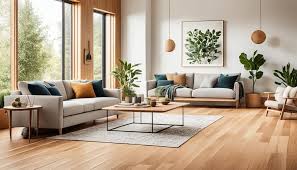
Adding style and warmth to interior walls requires materials that combine beauty, durability, and cost-effectiveness. Among the top choices is Wooden paneling price per m2 (Boazeria drewniana cena za m2), a versatile solution that enhances both aesthetics and functionality. Understanding wooden paneling price per m² helps homeowners and designers plan budgets effectively while selecting materials that match their design vision.
Why Is Wooden Paneling Popular for Interiors?
Interior walls play a significant role in defining the atmosphere of a room. But why is wooden paneling so widely favored? Wood provides a natural warmth, texture, and depth that cannot be easily replicated by paint or wallpaper. It enhances visual appeal while offering functional benefits such as insulation, sound absorption, and durability.
Wooden paneling is available in various styles, from traditional vertical panels to contemporary horizontal slats, allowing customization to suit classic, modern, or rustic interiors. Its adaptability makes it a preferred choice for living rooms, bedrooms, offices, and commercial spaces.
What Types of Wood Are Used for Paneling?
Choosing the right wood species affects both durability and design. But what are the most common types of wooden paneling?
- Oak: Hard, durable, and rich in color, oak is a premium choice for long-lasting interior panels.
- Pine: Softwood with natural warmth, pine is cost-effective and easy to install.
- Walnut: Luxurious and dark-toned, walnut adds elegance to premium interiors.
- Beech and Ash: Moderate in price, visually appealing, and strong, suitable for general-purpose paneling.
- Engineered Wood: Made with a real wood veneer over a stable core, engineered panels resist warping and adapt to indoor climates.
Selecting the right species ensures the paneling achieves both aesthetic appeal and functional performance.
How Is Wooden Paneling Priced per m²?
Pricing is a key factor when planning interior projects. But what determines wooden paneling price per m²?
- Material Type: Hardwood panels cost more than softwoods or engineered options.
- Panel Thickness: Thicker boards provide stability and durability but increase material costs.
- Finishes: Pre-finished panels are convenient but may have higher prices than raw wood panels requiring onsite finishing.
- Profile and Design: Decorative profiles, grooves, or intricate patterns may raise costs.
- Installation Requirements: Labor, wall preparation, and fasteners contribute to total cost per m².
Understanding these factors helps homeowners balance cost with quality and design needs.
How Do Wooden Panels Enhance Interior Spaces?
Wooden panels affect both functionality and aesthetics. But in what ways do they enhance interiors?
- Visual Appeal: Panels create texture, warmth, and a sense of sophistication.
- Acoustic Benefits: Wood naturally absorbs sound, reducing echo and noise in rooms.
- Insulation: Panels provide additional thermal insulation, maintaining comfortable indoor temperatures.
- Concealing Imperfections: Wall panels can hide uneven surfaces, wiring, or minor wall damage.
These advantages make wooden paneling both a decorative and practical solution for interiors.
Are Engineered Panels Better Than Solid Wood?
Homeowners often face a choice between solid wood and engineered panels. But what are the differences?
- Solid Wood: Offers durability, can be sanded and refinished multiple times, and has a traditional, natural appearance.
- Engineered Wood: Composed of layers with a hardwood veneer, engineered panels are stable in fluctuating humidity and less prone to warping. They are easier to install and sometimes more cost-effective than solid wood.
Both options provide quality, but the choice depends on budget, room conditions, and desired appearance.
How Should Wooden Paneling Be Installed?
Proper installation ensures longevity and visual appeal. But what installation methods are recommended?
- Vertical or Horizontal Layout: Panels can be oriented to match the room’s style and proportions. Vertical panels create height, while horizontal panels widen spaces visually.
- Substructure: Installing panels over battens ensures a level surface and allows for ventilation behind panels.
- Fastening Options: Use nails, screws, or hidden clips to secure panels without damaging the wood.
- Finishing Touches: Filling joints, sanding, or staining may be necessary for a seamless look.
Following proper installation techniques maximizes the lifespan and beauty of wooden panels.
How Should Wooden Panels Be Maintained?
Even durable panels benefit from regular care. But what maintenance is needed?
- Cleaning: Dust regularly with a soft cloth or vacuum with a brush attachment.
- Polishing or Oiling: Apply protective finishes periodically to maintain color and protect against moisture.
- Inspecting for Damage: Check for cracks, loose panels, or water damage, and address issues promptly.
- Avoid Excess Moisture: Prevent prolonged contact with water or humidity to reduce the risk of warping or discoloration.
Routine maintenance ensures that wooden paneling remains attractive and functional for years.
Can Wooden Panels Withstand Heavy Use?
Interior panels may be subjected to wear, especially in high-traffic areas or commercial spaces. So can wooden panels endure frequent use? Yes. Quality hardwood panels, as well as engineered boards, resist scratches, dents, and minor impacts. With proper installation and care, wooden paneling maintains both appearance and structural integrity over time.
How Do Wooden Panels Compare to Other Wall Finishes?
Wall coverings include paint, wallpaper, tiles, and synthetic panels. But how does wooden paneling compare?
- Paint: Economical and easy to change but lacks texture and depth.
- Wallpaper: Offers patterns but can be damaged by moisture and wear.
- Tiles: Durable but cold and hard, less suited for living areas.
- Synthetic Panels: Low-maintenance but often lack the natural warmth and aesthetic value of real wood.
Wooden paneling offers a unique combination of style, durability, and comfort that alternative finishes cannot fully replicate.
Are Wooden Panels Environmentally Friendly?
Sustainability is increasingly important. But are wooden panels eco-conscious? Yes. When sourced from certified forests, wood is renewable. Engineered panels maximize material efficiency while minimizing waste. Choosing durable, long-lasting wood reduces the need for frequent replacement, lowering environmental impact. Investing in wooden panels supports responsible forestry practices and eco-friendly interior design.
What Design Options Are Possible With Wooden Panels?
Wooden panels are highly versatile. But what creative possibilities exist?
- Patterns and Layouts: Vertical, horizontal, diagonal, or herringbone designs add visual interest.
- Colors and Finishes: Panels can be stained, painted, or oiled to suit different interior styles.
- Mixed Materials: Combining wood with stone, metal, or fabric enhances aesthetics and creates unique focal points.
- Decorative Profiles: Grooves, beads, or 3D textures can elevate a room’s style.
These design possibilities allow homeowners to customize interiors to reflect personal taste and complement overall décor.
How Can Costs Be Managed When Using Wooden Panels?
Budgeting is important for interior projects. So how can wooden paneling price per m² be optimized?
- Material Choice: Softwoods or engineered wood may provide cost savings while maintaining durability.
- Standard Sizes: Using common dimensions reduces waste and labor costs.
- DIY Installation: For some paneling styles, self-installation can lower overall expenses.
- Efficient Planning: Careful measurement and layout prevent leftover material and reduce unnecessary cost.
By considering these factors, homeowners can achieve stylish interiors without exceeding budgets.
Where Can You Source Wooden Paneling?
Wooden paneling is available through timber suppliers, home improvement stores, and online retailers. Choosing certified and high-quality wood ensures both durability and sustainability. Reviewing samples before purchase helps assess texture, grain, and finish, guaranteeing that panels meet aesthetic and functional requirements.
Conclusion: Is Wooden Paneling Worth the Investment?
Wooden paneling enhances interior spaces with style, warmth, and durability. By understanding wooden paneling price per m², homeowners and designers can plan budgets effectively while selecting high-quality, long-lasting materials.
Proper material selection, installation, and maintenance ensure that wooden panels remain visually appealing, functional, and durable for years. Whether in residential or commercial settings, wooden paneling offers a versatile, eco-friendly, and elegant solution for transforming interior walls into stylish, comfortable, and timeless spaces.
